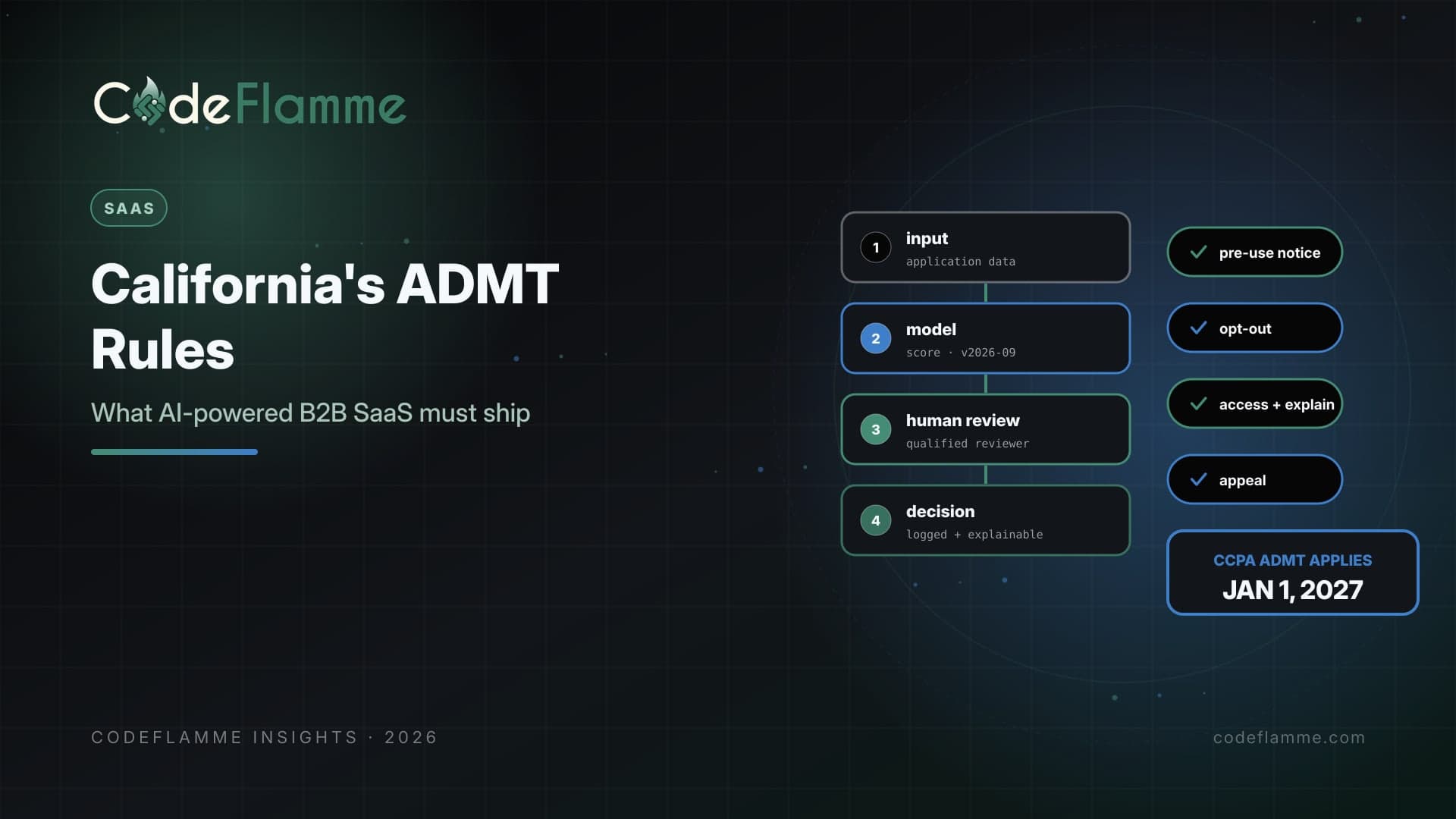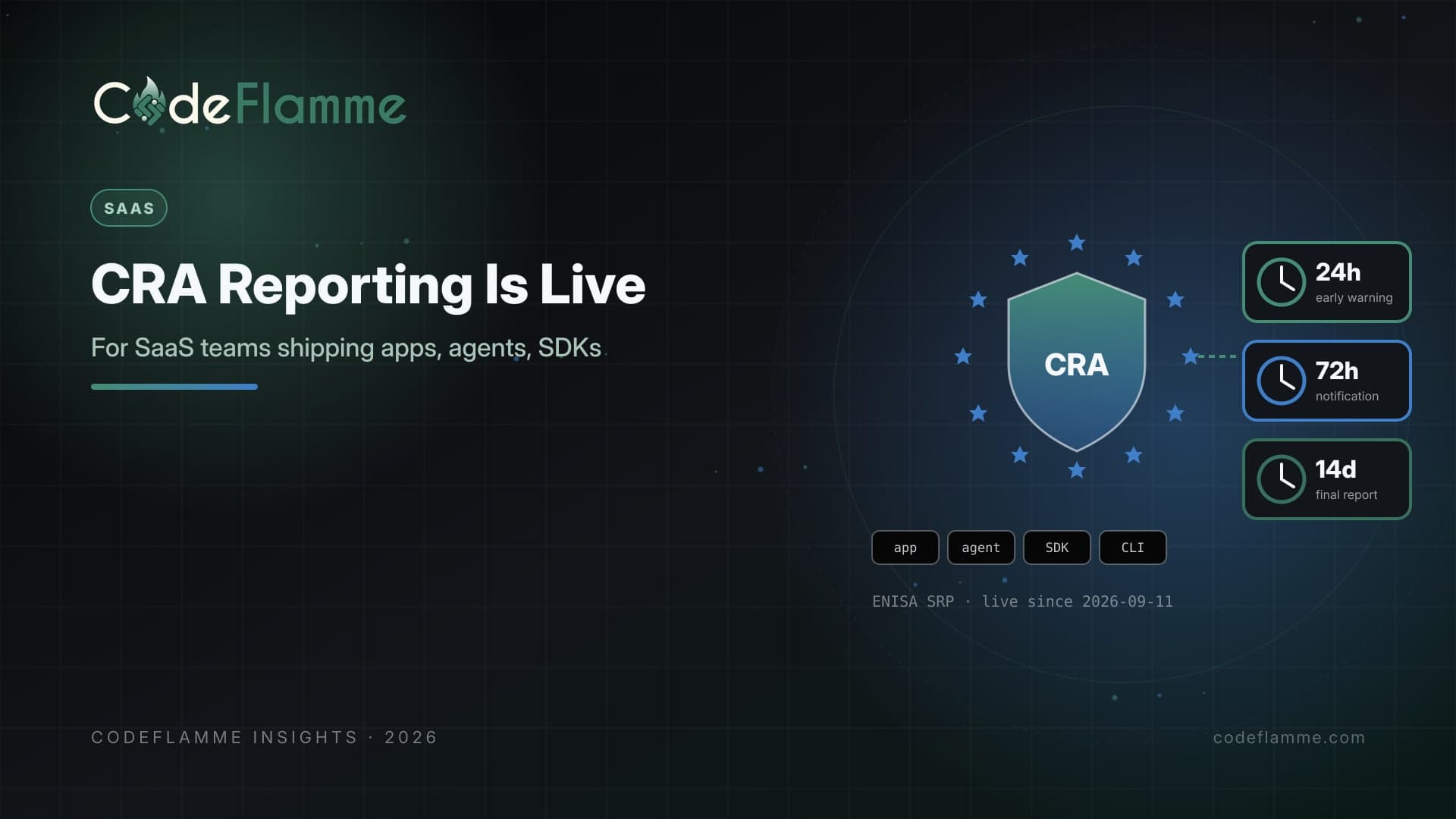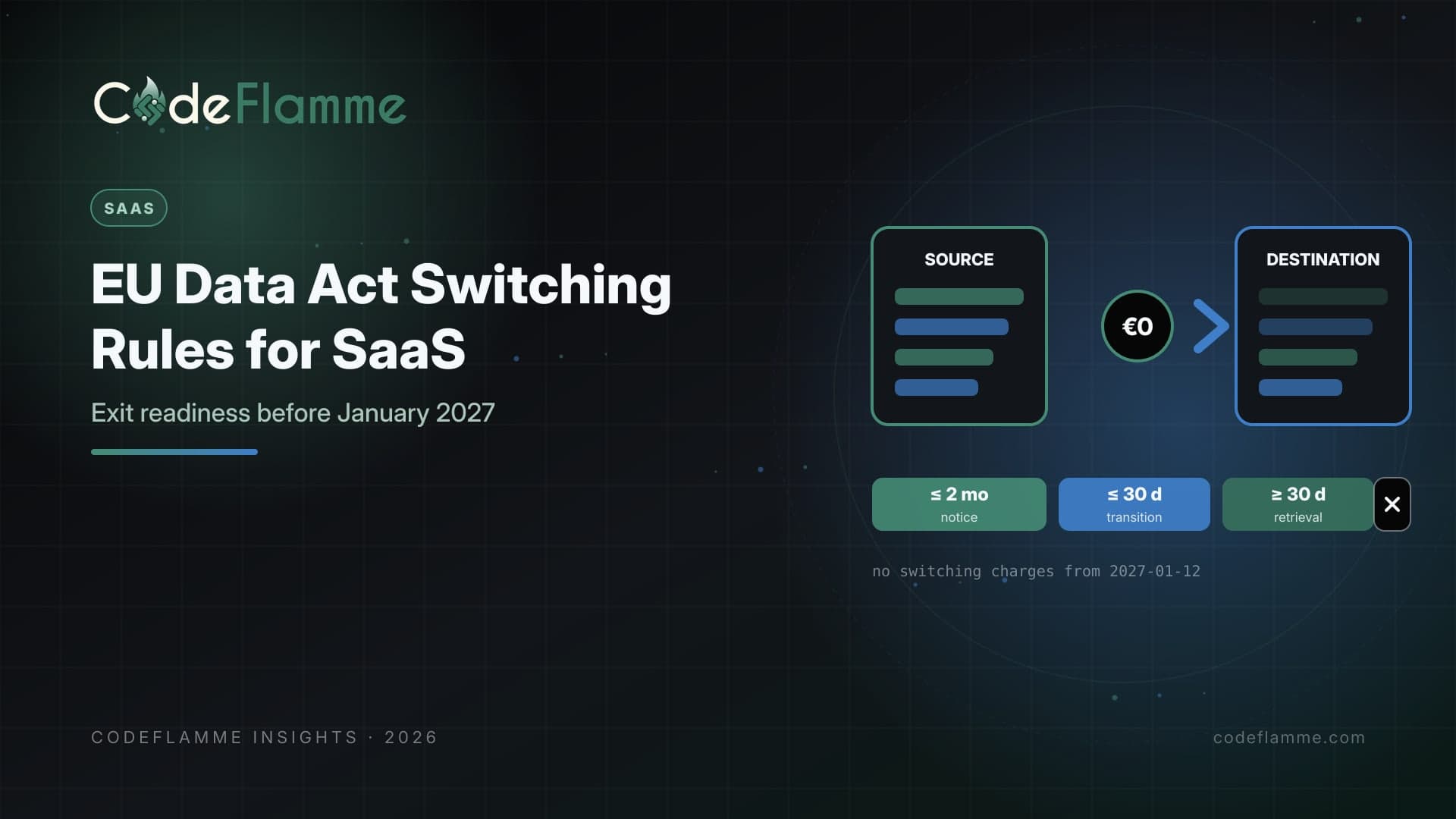

In 2026, serious B2B buyers treat AI features like a new data processor plus a new decision-maker. Security questionnaires expanded. Legal asks about training. Risk teams ask who can approve autonomous actions. If your answers live only in a sales PDF, you will lose to vendors who designed governance into the product. Trust-by-design means the checklist below is visible in admin UI, logs, and docs — not invented during procurement week.
Permissions and least privilege
Can you scope AI tools to roles? Can a viewer use assistive chat without export or delete tools? Can tenant admins disable agents entirely? Buyers want least privilege for machines the same way they want it for humans. Mirror your RBAC into the tool layer; do not give the agent a god key “for simplicity.”
Audit that a human can read
Exportable logs of prompts metadata, tool calls, approvals, and outputs destinations. Timestamps, actors, tenant IDs, model versions. Auditors do not need every raw token; they need a reconstructable story. If you cannot export it, you do not really have it for enterprise.
Data residency and retention
Where do documents go for embedding and inference? How long are logs retained? Can customers delete vectors and cached prompts? Be precise. “We take security seriously” is not a residency answer. If you lack a region option, say so and roadmap honestly rather than implying controls you do not operate.
Model provenance and change control
Which model families are allowed? How do you notify customers of material model changes? Can an enterprise pin a version for a period? Buyers burned by silent model swaps now ask. Versioning prompts and models is governance as much as it is engineering hygiene.
Human oversight and kill switches
Document when humans must approve. Provide a tenant-level pause for agents. Provide an org-level kill switch for outbound tools. Incident response without these controls is improvisation.
The short checklist to ship
RBAC on tools; audit export; retention and deletion APIs; model and prompt version labels on runs; approval policies for high-blast actions; residency statement that matches reality; subprocessors list that includes model hosts; a security center page that stays current. You do not need to claim perfection. You need to show intentional design. Buyers in 2026 can tell the difference between governance theater and governance product.
Vendor risk and your own AI vendors
Your governance story includes the model host, the embedding store, the logging vendor, and any eval SaaS you use. Maintain a living subprocessor list and a change-notification process. Buyers will ask how you assess those vendors — have a short answer that is true. If you fine-tune or distill, document training data sources and customer opt-out. Silence here reads as evasion.
Internal governance mirrors external promises
Employees using internal agents need the same permission and audit discipline you sell to customers. Shadow IT agents with production credentials undermine your credibility when a customer asks how you operate AI internally. Dogfood your controls. Create an internal AI use policy that engineering can follow without theater: approved tools, data classes forbidden in prompts, and a request path for exceptions.
Turning the checklist into roadmap
Rank gaps by deal blockers you have already heard. Ship audit export before vanity model upgrades if enterprise is the motion. Governance features rarely trend on social media; they trend on closed-won reports. Assign a named owner — often a platform or security-minded PM — so the checklist does not dissolve across teams.
Communicating residual risk honestly
No checklist eliminates model error. Say so. Describe residual risk, human oversight, and how customers should supervise outputs in their domain. Overclaiming “guaranteed compliance” is a legal and reputational hazard. Provide recommended operating procedures: dual control for high-impact actions, periodic review of audit samples, and how to report suspected model failures. Buyers who feel guided become partners; buyers who feel sold become blockers. Update the checklist as regulations and customer expectations shift. Assign a quarterly review. Governance docs that age into fiction are worse than a shorter honest page.
Train customer-facing teams on the checklist until answers are consistent. A wrong verbal promise about training data can outweigh a perfect admin UI. Record approved language snippets for common questions and keep them beside the security center content. Governance is a sales accelerator when it is real. Buyers move faster when they recognize a mature control set. In 2026, that maturity is visible in product behavior — permissions, audit, residency, provenance, and kill switches — long before the contract redlines begin.
Use the checklist in discovery calls as a mutual agenda. Ask buyers which controls are must-have versus nice-to-have for their risk committee. That conversation focuses your roadmap on closed-won reality and shows professionalism. Governance theater talks at buyers; trust-by-design works with them. Ship the basics visibly: permissions, audit, residency honesty, provenance, and kill switches. Everything else is iteration on a foundation buyers can already inspect.